
TW-9.3S Clicker Die Press: High-Precision Cutting for Industrial Efficiency
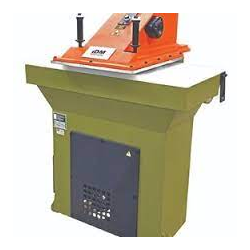
In the world of manufacturing and fabrication, precision and speed are paramount. Whether you are in the leather industry, packaging, automotive parts, or any field that requires die cutting, having the right machinery can drastically improve both the quality and efficiency of your work. The TW-93S Clicker Die Press is a standout product that offers an excellent balance of power, precision, and durability. In this comprehensive guide, we will explore everything you need to know about the TW-93S Clicker Die Press — from its features, benefits, applications, to tips for maintenance and how to choose the best model for your needs.
What is the TW-93S Clicker Die Press?
The TW-93S Clicker Die Press is a high-quality, mechanical clicker press designed for die cutting various materials such as leather, fabric, rubber, cardboard, and plastics. The term “clicker press” refers to machines used to cut materials into shapes using a die with great precision. Unlike hydraulic presses, clicker presses operate with mechanical leverage to generate high pressure in a controlled, repetitive motion, enabling clean, consistent cuts.The TW-93S model is especially popular for its robust build, reliability, and ease of operation. It is ideal for medium to large-scale production environments where accuracy and productivity are critical.
Key Features of the TW-93S Clicker Die Press
Solid and Durable Frame
The TW-93S is built with a heavy-duty steel frame that ensures minimal vibration and long-lasting stability. This rigidity is crucial for precision cutting because any movement or flexing can affect the accuracy of the die cut.
Efficient Mechanical Operation
The press operates via a mechanical lever system that provides significant pressing force with minimal operator effort. The mechanical advantage of the lever mechanism allows consistent pressure to be applied evenly across the die.
Adjustable Pressure Settings
Operators can adjust the pressing force depending on the material and thickness to be cut. This versatility ensures that delicate materials are not damaged, and tougher materials receive adequate pressure.
Large Cutting Area
The TW-93S offers a spacious cutting bed, allowing operators to work with larger dies and materials, increasing production efficiency.
Safety Features
Equipped with safety mechanisms such as emergency stop buttons and protective shields, the TW-93S is designed to ensure operator safety during use.
Low Maintenance
With fewer moving parts than hydraulic presses, the TW-93S requires minimal maintenance, reducing downtime and operational costs.
Versatility in Material Compatibility
The press can handle a wide variety of materials, including leather, rubber, foam, fabric, vinyl, cardboard, and other composite materials, making it suitable for diverse industries.
How Does the TW-93S Clicker Die Press Work?
The core principle of the TW-93S is the mechanical application of pressure to a die set that cuts through material placed on the cutting board. The process involves:
-
Placement of Material and Die: The operator positions the raw material on the cutting board and places the cutting die on top.
-
Engaging the Lever: Pulling down the press lever activates the mechanical linkage, which drives the upper platen down onto the die with controlled pressure.
-
Die Cutting Action: The die, with its sharp edges, cuts through the material cleanly and precisely due to the high and even pressure applied.
-
Release: The lever is released, lifting the platen and allowing the operator to remove the cut material.
Because the TW-93S is mechanical, this process is fast and repeatable, allowing operators to produce high volumes without sacrificing accuracy.
Advantages of the TW-93S Clicker Die Press
High Precision Cutting
The rigid frame and controlled mechanical force ensure that cuts are clean and accurate every time. This is essential for industries like footwear, automotive gaskets, and leather goods where precision affects final product quality.
Consistent Production Speed
The mechanical lever system enables operators to perform cuts quickly with minimal physical strain, increasing throughput in production lines.
Versatility
Compatible with many materials and die types, the TW-93S can handle various tasks, making it a flexible solution for manufacturers serving multiple markets.
Low Operational Cost
Without hydraulic fluids or complex electronics, the TW-93S demands less maintenance and fewer repairs, saving money in the long term.
Safety and Ease of Use
The press’s simple operation and built-in safety features make it accessible for operators with minimal training while reducing the risk of workplace accidents.
Industries and Applications for the TW-93S Clicker Die Press
The TW-93S is widely used across industries that require precision die cutting:
Leather Goods Manufacturing
From shoes and belts to handbags and wallets, the leather industry benefits greatly from the accuracy and efficiency of the TW-93S. The press cuts intricate shapes and patterns cleanly, reducing waste and enhancing product quality.
Automotive Parts
Gaskets, seals, and insulation materials are often die cut for automotive applications. The TW-93S provides the precision and repeatability needed for consistent part production.
Packaging Industry
Cardboard and foam inserts for packaging can be cut quickly and accurately, streamlining packaging assembly lines.
Textile and Apparel
Fabric cutting for appliques, patches, and other garment components is faster and more precise with this press, reducing manual labor.
Rubber and Foam Products
Die cutting rubber mats, gaskets, and foam padding is made easier and more efficient with the mechanical leverage of the TW-93S.
How to Choose the Right Clicker Die Press
When selecting a clicker die press like the TW-93S, consider these factors:
Material Type and Thickness
Different materials require varying pressing forces and die types. Confirm that the press can handle the thickness and hardness of your materials.
Production Volume
Evaluate your production needs. The TW-93S suits medium to high volume environments, but smaller or larger models may be more appropriate depending on your output.
Die Size and Cutting Area
Ensure the press cutting bed accommodates your largest die size for flexibility.
Operator Skill Level
Choose a machine with safety features and user-friendly controls, especially if operators have limited technical training.
Budget and Maintenance Costs
Mechanical presses typically have lower maintenance costs than hydraulic ones, but initial investment and parts availability are important considerations.
Maintenance Tips for the TW-93S Clicker Die Press
Proper maintenance maximizes uptime and extends the life of your machine:
Regular Lubrication
Keep all pivot points and mechanical linkages well lubricated according to the manufacturer’s guidelines to prevent wear.
Check and Tighten Fasteners
Vibration during operation can loosen bolts. Periodically inspect and tighten all fasteners.
Inspect Dies and Cutting Boards
Replace or resurface dies and cutting boards as needed to maintain cutting quality.
Clean After Use
Remove debris and dust from the machine to prevent damage and ensure smooth operation.
Train Operators
Proper training reduces misuse and accidents that could damage the machine.
Common Challenges and Solutions
Challenge: Uneven Cutting
Solution: Ensure die and cutting board are flat and free of damage. Adjust pressure settings for material thickness.
Challenge: Operator Fatigue
Solution: Use ergonomic handles and provide training on proper lever technique to reduce strain.
Challenge: Die Wear
Solution: Use high-quality dies and perform regular maintenance.
Case Study: TW-93S in Action
A mid-sized footwear manufacturer replaced manual cutting with the TW-93S clicker press. The result:
-
50% reduction in material waste
-
30% increase in production speed
-
Improved consistency of cuts resulting in higher product quality
-
Reduced operator fatigue and injuries
This case illustrates the practical benefits of upgrading to a reliable mechanical clicker die press.
The TW-93S Clicker Die Press is an essential tool for any manufacturer seeking precision, durability, and efficiency in die cutting. Its mechanical design, ease of use, and adaptability to various materials make it a smart investment for industries ranging from leather to packaging.By reducing waste, increasing output, and maintaining high-quality standards, the TW-93S supports sustainable and profitable manufacturing processes.To explore more about the TW-93S Clicker Die Press, view detailed specifications, or request a quote, visit:
visit
http://maxinarytech.com/tw-9-3...
5 Frequently Asked Questions (FAQs) for the TW-9.3S Clicker Die Press:
What is the maximum cutting force of the TW-9.3S Clicker Die Press?
Answer: The TW-9.3S offers a maximum cutting force of 9 tons, making it suitable for cutting a variety of materials such as leather, rubber, plastic, fabric, and soft sheet materials.
What materials can be processed with the TW-9.3S Die Press?
Answer: The press is designed to handle soft to medium-density materials including leather, textiles, foam, vinyl, cardboard, rubber, and plastics, often used in footwear, automotive, and craft manufacturing.
Does the TW-9.3S support both manual and automatic operation?
Answer: The TW-9.3S is primarily a manual hydraulic press, operated via a lever or hand-wheel system for precise control. Some variants may offer assisted hydraulic systems, but it's not a fully automated machine.
What are the dimensions of the cutting area?
Answer: The cutting bed typically measures around 370mm x 400mm (or similar, depending on the model variant), offering ample space for most standard die sizes.
How do I maintain the TW-9.3S Clicker Press for long-term use?
Answer: Routine maintenance includes checking and topping off hydraulic oil, lubricating moving parts, tightening bolts, and cleaning the cutting surface regularly. Always refer to the user manual for specific maintenance intervals.