
TH-727A Heel Seat Lasting Machine – Reliable and Efficient Lasting for Perfect Heel Fit
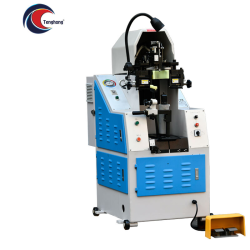
In today’s ultra-competitive footwear manufacturing landscape, efficiency, precision, and consistency are the benchmarks of operational excellence. Among the most critical phases in the shoe production cycle is the lasting process, particularly the heel seat lasting, which shapes the back part of the shoe and plays a significant role in comfort, durability, and aesthetics. If your production line still relies on manual or semi-automatic lasting processes, you're likely missing out on the benefits of speed, consistency, and defect reduction. The good news? There’s a cutting-edge solution ready to elevate your factory’s performance: the TH-727A Heel Seat Lasting Machine. This advanced machine, engineered with high-performance mechanical components, intelligent pressure control, and ergonomic design, transforms heel seat lasting into a seamless, fast, and ultra-precise operation. In this in-depth guide, we’ll explore everything you need to know about the TH-727A, from its technological advantages and specifications to real-world benefits and applications. If your goal is to optimize production while delivering top-tier footwear, read on.
The Importance of Heel Seat Lasting in Footwear
The heel seat, the back area of the shoe that cups the wearer’s heel, is subject to substantial daily stress. Improper shaping, poor adhesive bonding, or uneven tension in this area can lead to product returns, poor user comfort, and brand damage. Heel seat lasting refers to the process where the upper portion of the shoe is securely formed and attached over the heel area of the last (foot mold). This ensures not only the structural integrity of the shoe but also its aesthetic contour and comfort.
Inconsistent manual operations often lead to:
-
Asymmetrical shoe shapes
-
Weak heel bonding
-
Increased rejects and rework
-
Operator fatigue and inefficiency
That’s where automation and advanced machinery like the TH-727A come into play.
The TH-727A Heel Seat Lasting Machine
The TH-727A Heel Seat Lasting Machine is a high-precision, semi-automatic/automatic lasting solution designed specifically for heel seat applications. Tailored for sports, casual, leather, safety, and formal footwear, the machine ensures uniform heel shaping, strong adhesive bonding, and consistent product output. It supports a wide variety of shoe designs and materials, making it an ideal choice for both specialized manufacturers and high-output production lines. With its compact structure and sophisticated pressure systems, it reduces operator strain and ensures consistent performance with minimal downtime.
Key Features and Innovations
What sets the TH-727A apart from standard lasting machines is its combination of mechanical excellence and process intelligence. Here’s a breakdown of its standout features:
Intelligent Pressure Distribution
The TH-727A uses an adjustable hydraulic or pneumatic system that provides evenly distributed pressure across the heel. This ensures the upper is perfectly wrapped around the heel seat, preventing loose areas or over-pressing.
Precision-Cut Lasting Mechanism
It's specially engineered heel pincer assembly ensures that the upper is tightly pulled and locked into place, giving the shoe a defined heel cup and eliminating wrinkles or deformation.
Quick Size Adjustability
Switch between different shoe sizes with minimal effort. The machine is equipped with easy-to-adjust clamps and supports that reduce changeover time and simplify multi-model production.
Stable, Durable Construction
Constructed with industrial-grade components, the TH-727A is built for long-term, continuous operation even in demanding environments.
Safety and Operator Comfort
The ergonomic foot pedal system, emergency stops, and safety shields protect operators during usage while reducing fatigue during long shifts.
Optional Auto Cementing Integration
For manufacturers that wish to incorporate glue application, auto-cementing modules can be integrated into the TH-727A workflow.
Benefits of Using TH-727A in Modern Shoe Production
Adopting the TH-727A Heel Seat Lasting Machine delivers a range of practical benefits:
-
Higher Productivity: Processes up to 20 pairs per minute, ideal for large and medium-sized operations
-
Consistent Quality: Every pair maintains the same pressure and shaping, ensuring uniformity
-
Lower Labor Costs: One operator can oversee multiple machines
-
Reduced Rework and Waste: Better fit and bonding reduce defects and material waste
-
Shorter Learning Curve: Easy setup and operation reduce operator training time
-
Scalable for Mass Production: Works seamlessly in integrated production lines
Workflow Optimization: How the TH-727A Streamlines Operations
Here’s how the TH-727A enhances your workflow:
-
Upper Loading: Operators position the shoe upper over the last
-
Clamping: The machine’s automatic heel clamp and pincer grip the heel
-
Pressing: The system applies even pressure, pressing the heel into place
-
Release: Once formed, the machine releases the heel section, and the shoe moves to the next phase
Its rapid cycle time, paired with repeatable performance, boosts line efficiency without compromising precision.
Operator-Friendly Controls and Ergonomics
Despite being a high-tech machine, the TH-727A remains easy to operate:
-
Simple push-button or foot pedal activation
-
Pressure and timing knobs for quick on-the-fly adjustments
-
Safety shields and emergency stops for safe handling
-
Low noise and vibration levels promote a healthier work environment
Whether your team includes seasoned operators or new hires, the TH-727A ensures smooth operation with minimal supervision.
Maintenance Best Practices
To maintain long-term efficiency and prevent breakdowns, follow these guidelines:
-
Daily Cleaning: Remove excess adhesive or dust around mechanical components
-
Lubrication: Apply oil to the pincer assemblies and sliders every 2–3 days
-
Inspection: Check the pneumatic/hydraulic pressure systems weekly
-
Parts Replacement: Replace heel pressing pads and clamps after significant wear
-
Annual Checkups: Schedule professional servicing for calibration and diagnostics
The machine’s durable components mean fewer replacements and lower maintenance costs over its lifespan.
Real-World Use Cases and Success Stories
Leather Shoe Manufacturer in Turkey
A premium leather shoe factory switched to the TH-727A to overcome inconsistencies in heel shaping. Within two months, they reported:
-
25% increase in production output
-
40% reduction in heel-related defects
-
Positive customer feedback due to enhanced shoe structure and fit
Southeast Asian Safety Boot Manufacturer
A safety footwear brand introduced the TH-727A to improve back heel reinforcement. Thanks to its strong pressing power and adjustability, they met ISO durability standards more efficiently and sped up delivery timelines.
Environmental and Economic Impact
Eco-Friendly Production
-
Less glue waste due to precision cementing
-
Lower energy consumption than older models
-
Reduced material rework means less landfill waste
Cost Savings
-
Lower cost per pair produced
-
Less downtime and repairs
-
Better return on investment within the first year
The TH-727A is not just a machine; it’s an asset toward a leaner, greener, and more profitable factory.
Get in Touch for a Demo or Quote
Want to see how the TH-727A Heel Seat Lasting Machine can transform your production line? Whether you need more information, a personalized quotation, or a live demonstration, we’re here to help.
Contact Maxinary Tech today at:
https://maxinarytech.com/conta...
Or email us directly at: info@maxinarytech.com
Our experts are ready to assist you in selecting the right machinery to scale your manufacturing operation.
Why TH-727A is the Future of Heel Seat Lasting
The TH-727A Heel Seat Lasting Machine stands at the intersection of craftsmanship and automation. It delivers the strength and reliability of traditional methods with the speed, safety, and precision of next-gen machinery.
FAQ for TH-727A Heel Seat Lasting Machine
What is the primary function of the TH-727A Heel Seat Lasting Machine?
The TH-727A is specifically designed to perform heel seat lasting by securely pressing and shaping the heel part of the shoe upper onto the last, ensuring a snug and durable fit.
What types of footwear can be processed using the TH-727A?
The TH-727A is suitable for various types of footwear, including leather shoes, casual shoes, boots, and sports shoes, especially those requiring precise heel seat shaping.
Does the TH-727A support automatic operation?
Yes, the machine features automated heel seat lasting functions, reducing manual labor and improving production consistency and efficiency.
Can the TH-727A handle different shoe sizes and styles?
Absolutely. The machine is adjustable and can be quickly set up to accommodate various shoe sizes and designs, offering flexibility for different production lines.
What are the regular maintenance tasks for the TH-727A?
Maintenance includes checking and lubricating mechanical parts, inspecting the pressing mechanism and alignment systems, cleaning sensors (if applicable), and ensuring pneumatic and hydraulic components are functioning properly.