
Shibang-293A Fully Automatic Packaging Machine: Streamlined Packaging with Advanced Automation
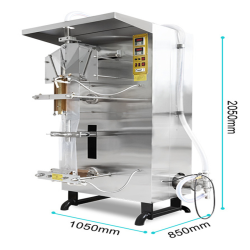
In an age where speed, precision, and consistency define industrial success, the Shibang‑293A Fully Automatic Packaging Machine represents a leap forward. Engineered to handle high-throughput, bagged dry goods with ease, this system promises:
-
Seamless, end-to-end automation—from bag placement to sealing.
-
High accuracy in weight and fill, slashing material waste.
-
Robust operation, suited for single-shift to 24/7 production.
-
User-centric ergonomics, offering simple controls and fast format swaps.
Let’s explore how the Shibang‑293A delivers on those promises and sets a new standard for packaging operations.
System Architecture & Core Components
A. Twin Weigh-Fill Hoppers
At the heart are dual precision weigh hoppers with load-cell sensors—ideal for raw materials like grains, powders, seeds, chemicals, or food ingredients. These hoppers pre-measure exact quantities before filling, ensuring:
-
Exceptional accuracy (±0.5–1%)
-
Minimal overfilling
-
Dual-hopper throughput aligns fill and seal timing
This system mirrors the performance of proven weigh-and-fill technologies widely used in FFS packaging(cmsale.com).
Compact Bag Feeder
Bag loading is fully automated: stacks of pre-made bags are fed, opened, and clamped. If required, integrated coding (e.g., date stamps) can be added.
PLC & Human-Machine Interface (HMI)
At its core, the 293A uses a touchscreen-controlled PLC, enabling:
-
On-screen parameter control (bag size, fill weight, conveyor speed)
-
Recipe storage for quick production changes
-
Diagnostics and alerts for rapid troubleshooting
Systems of this calibre are typical in modern packaging lines.
Rotary Seal & Cutting Station
After filling, bags transition to a rotary sealing unit that precisely seals and separates each pouch. High-speed sealing ensures airtight, professional finishes consistent with industry standards.
Discharge & Handling Conveyor
Finished bags exit via a conveyor tailored to your line, be it an accumulation or packing station integration.
Performance & Production Capabilities
Output Rates
Although Shibang doesn’t publish exact specifications, similar machines (e.g., RVM-520) deliver 25–75 bags per minute, depending on the weight and material (rehoo.com.hk). Expect the 293A to match or exceed this.
Weight Accuracy
With dynamic in-flight weighing, precision hovers between 0.5–1%, crucial for:
-
Reducing giveaway
-
Meeting regulatory standards
-
Maintaining brand consistency
Bag Range & Flexibility
The Shibang‑293A supports:
-
Bag widths: approx. 80–250 mm (3–10″)
-
Bag lengths: approx. 80–350 mm (3–14″)
-
Materials: laminated films like PE/AL/PE, OPP/PE, etc.
-
Fill Types: granules, powders, snacks, grains
These parameters echo the RVM-520 vertical bagger specs(rehoo.com.hk, packingmachinesupplier.com, vikingmasek.com, grand-packing.com, standardpackeng.in).
Product Versatility
Whether it's rice, spices, coffee granules, chemical powders, or detergent, the dual-hopper system paired with flexible sealing adapts seamlessly, as confirmed by multi-functional packaging variants.
Technology & Usability
Intuitive Touch Interface
An HMI simplifies the user experience:
-
Large colored touchscreen
-
Menu-driven controls
-
Built-in management of fill weight, bag size, speed, and diagnostics
Motivational Servo & PM Motors
Leading machines today use servo-driven film feeders and sealing units for pinpoint control(sheanmachine.com, youtube.com, rehoo.com.hk, nissinpacking.en.made-in-china.com). The 293A likely mirrors this.
Clean Design & Easy Maintenance
Constructed with stainless steel, the machine supports hygiene requirements, easy washdown, and modular design for quick changeover—critical for food and pharma scenarios(standardpackeng.in).
Comparative Landscape
It’s helpful to compare:
-
Vertical Form-Fill-Seal (VFFS): Shibang‑293A fits here—versatile and mid-speed (~50 bags/min).
-
Pre-made pouch machines: Typically faster, but less bag flexibility.
-
Flow pack surfacing: Ideal for single-serve snacks; Shibang is better for granular bulk fill.
-
Vacuum & horizontal wrappers: For vacuum-packed goods; different use cases.
Shibang stands out for mid-speed, flexible bulk packaging.
Integration & Line Compatibility
Upstream Add-ons
-
Feed hoppers, elevators, agro grinders, mixers
-
Volumetric or auger feeders for powders
Downstream Options
-
Check weighers, metal detectors, and gas purging tools
-
Cartoning, case packing lines for retail fulfillment
Remote Monitoring/Industry 4.0
The HMI can tie into plant-wide SCADA systems, offering:
-
Remote viewing
-
Predictive maintenance
-
Data logging for quality control
Modern packaging systems like this are trending toward connected production(vikingmasek.com, minipack-torre.it).
Why Your Factory Needs the Shibang‑293A
-
Boosted Productivity – Automate packaging to reduce labor cost and increase throughput.
-
Improved Accuracy – Minimize giveaway for cost savings and maintain brand reputation.
-
Format Flexibility – Handle multiple products without major retooling.
-
Food-Grade Compliance – Hygiene-minded design supports regulatory standards.
-
Scalable Solution – From pilot runs to full-scale production, it grows with you.
-
Ease of Use – Operator-friendly interface and recipe recall support lean staffing.
Operational Considerations
Space & Installation
Make room for the machine, upstream feeders, and conveyors. Ensure utilities—power, air, and floor loadings—are sized correctly.
Format Set-Up
Operators need training for adjusting bag/weight settings. Recipe-saving reduces downtime.
Maintenance Regimen
-
Routine calibration of weighing systems
-
Lubrication and seal checks
-
Electrical diagnostics and film-path cleaning
Spare Parts
Expect to stock spare sensors, seal bars, belts, and PLC modules—critical for uptime.
ROI & Cost Benefits
CAPEX Estimate
Comparable systems range US $60k–$100k, depending on size and level of automation.
OPEX Gains
-
Labor reduction: manual pack teams can be reallocated
-
Waste reduction: savings on overfill
-
Increased uptime: Automation means less idle time and higher throughput
You’ll recoup investment within 12–24 months under typical production volumes.
Real-World Use Cases
-
Rice & Grain Packagers: Fill 20–25 kg sacks at a constant pace.
-
Spice & Powder Producers: Dual-scale setup for micro-batch formats.
-
Snack Manufacturers: Granules, nuts, seeds in flexible pouch formats.
-
Chemical Powder Packaging: Safe, sealed bags meeting industrial specs.
-
Agricultural Seeds: Accurate filling of varied-weight seed bags.
Implementation Tips
Pre-purchase Audit
Analyze product flow, utility needs, and facility layout.
Custom Integration
Add features like gas dosing, printing, or bag inspection.
Operator Training
On-site training ensures smooth setup and operation.
D&R Planning
Have a detailed maintenance plan, stock critical parts.
KPI Tracking
Monitor OEE, weight deviation, downtime, and throughput.
Future-Proof Considerations
-
Smart upgrades: vision sensors, IoT telemetry, remote alerts
-
Bag innovation: window packaging, resealable zippers
-
Environmental factors: recyclable films, packaging reduction
Final Thoughts
The Shibang‑293A Fully Automatic Packaging Machine delivers the right mix of automation, accuracy, and versatility. It’s a powerful solution for any manufacturer handling granular or powdered products in pouch format. Its design meets current production demands and scales with tomorrow's needs. If you're interested, consider arranging a demo or site trial with Shibang or authorized distributors for a real-world trial. I can help with spec sheets, sample workflows, or integration advice—just say the word!
Here are 5 FAQs for the Shibang-293A Fully Automatic Packaging Machine:
What is the Shibang-293A Fully Automatic Packaging Machine used for?
The Shibang-293A is designed for automatic packaging of various products, providing efficient and consistent sealing, filling, and wrapping in industries like food, pharmaceuticals, and consumer goods.
What types of products can the Shibang-293A package?
It can package solids, powders, granules, and liquids, depending on the configuration, making it versatile for snacks, grains, powders, and other packaged goods.
What are the key features of the Shibang-293A?
Key features include high-speed operation, precision filling and sealing, adjustable bag sizes, user-friendly touch screen control, and integrated quality control systems.
How does the Shibang-293A improve production efficiency?
Automating the packaging process reduces manual labor, minimizes errors, speeds up throughput, and ensures consistent package quality, increasing overall productivity.
What maintenance is required for the Shibang-293A?
Regular maintenance includes cleaning the machine after use, checking sealing components, lubricating moving parts, inspecting sensors and control systems, and replacing worn-out parts as needed.