
Shibang-1892 Double Needle Stepping Fully Automatic Sewing Machine Review
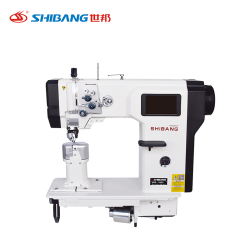
In industrial sewing, precision, automation, and reliability are key to maintaining productivity and ensuring consistent quality. Among the top contenders for heavy-duty and high-volume sewing needs is the Shibang-1892 Double Needle Stepping Fully Automatic Sewing Machine. Designed for manufacturers who require powerful stitching capabilities combined with smart automation, the 1892 model promises to enhance workflow efficiency and stitch durability.In this detailed review, we explore everything you need to know about the Shibang-1892 from its design and features to its applications and maintenance requirements helping you decide if it fits your production needs.
Why Choose the Shibang-1892?
The Shibang-1892 is a specialized double needle stepping sewing machine with full automation, crafted for industries that demand tough stitching on materials like leather, canvas, and other thick fabrics. Its fully automatic features streamline complex sewing tasks, reduce manual labor, and boost production speeds, making it ideal for footwear, leather goods, upholstery, and industrial textile manufacturing.
Key Features of the Shibang-1892 Fully Automatic Sewing Machine
Double Needle Stepping Design
The double needle design allows for two parallel rows of stitching simultaneously, improving seam strength and durability. This feature is essential for heavy-duty applications like shoe uppers, bags, and upholstery that require reinforced stitching.
Fully Automatic Operation
Equipped with a range of automated functions including automatic thread trimming, back-tacking, and programmable stitch lengths, the Shibang-1892 significantly reduces the operator’s manual tasks. This automation leads to faster cycle times and consistent stitch quality.
Stepping Mechanism for Precision Control
The stepping motor system provides precise control over needle movement and fabric feeding, ensuring uniform stitch length and tension. This precision reduces fabric puckering and enhances the overall finish.
High Postbed for Enhanced Accessibility
The elevated postbed design offers ample workspace and makes handling bulky, three-dimensional materials easier. Operators can maneuver complex shapes and thick materials with less effort.
Robust Build and Durable Components
Constructed from high-quality materials and engineered for industrial environments, the 1892 withstands continuous use with minimal downtime. It offers reliable performance even under the stress of heavy production.
Energy-Efficient Servo Motor
The use of servo motor technology provides energy savings, quieter operation, and smoother control compared to traditional clutch motors. This results in a more comfortable working environment and reduced operating costs.
User-Friendly Control Panel
An intuitive interface allows easy programming of stitch lengths, speeds, and operational modes. This reduces training time and increases operator productivity.
Who Benefits the Most?
Footwear Industry
The Shibang-1892 excels in stitching shoe uppers, midsoles, and soles that require strong, double-row seams. Its automated features reduce cycle times and improve throughput.
Leather Goods Manufacturers
From bags and wallets to belts and apparel, the 1892’s precise double stitching ensures durability and high-quality finishes.
Upholstery and Automotive Interiors
Ideal for sewing heavy upholstery materials such as car seats and furniture, where reinforced seams are essential.
Industrial Textile Production
For products like tents, tarps, and safety gear, the machine’s heavy-duty capabilities ensure robust, long-lasting seams.
Advantages of the Shibang-1892 Double Needle Fully Automatic Sewing Machine
-
Increased Production Speed: Automation features reduce manual steps, accelerating manufacturing cycles.
-
Consistent Stitch Quality: Precise stepping motor control maintains uniform stitch length and tension.
-
Enhanced Operator Comfort: Ergonomic design and quiet servo motor reduce fatigue.
-
Energy Efficiency: Servo motors consume less power, lowering operating costs.
-
Versatility: Adjustable settings allow the machine to handle various materials and stitch types.
-
Reduced Waste: Automatic thread trimming and precise fabric feeding minimize material waste.
Installation and Maintenance Tips
Installation
-
Set on a sturdy, vibration-free surface.
-
Connect to a power source compatible with servo motor requirements.
-
Ensure sufficient workspace for material handling and operator movement.
Maintenance
-
Clean lint and thread buildup daily.
-
Lubricate moving parts according to the manufacturer’s schedule.
-
Check needle condition regularly and replace as needed.
-
Periodically inspect thread tension and machine calibration.
Customer Reviews and Industry Feedback
Customers consistently report improved efficiency and stitch quality after integrating the Shibang-1892 into their production lines. Many praise the machine’s user-friendly interface and the reduced training time for new operators. Footwear manufacturers highlight the enhanced seam strength, while upholstery producers appreciate the machine’s capacity to handle thick, multi-layer fabrics with ease.
Is the Shibang-1892 Right for Your Business?
For businesses requiring heavy-duty, reliable, and efficient double needle sewing solutions, the Shibang-1892 stepping fully automatic sewing machine is a valuable asset. Its combination of advanced automation, robust design, and precision stitching offers tangible benefits in productivity and product quality.
If you’re looking to upgrade your industrial sewing capabilities, the Shibang-1892 is definitely worth considering.
Where to Buy and Learn More
To explore pricing, request a demo, or get detailed specifications, visit the official Shibang supplier website:
MaxinaryTech.com Your trusted partner for expert machinery reviews and industrial technology insights. Subscribe for the latest updates and in-depth guides.
FAQs for the Shibang-1892 Double Needle Stepping Fully Automatic Sewing Machine blog:
What materials can the Shibang-1892 sew effectively?
The Shibang-1892 is designed to sew thick and heavy materials such as leather, canvas, upholstery fabrics, and other industrial textiles, making it ideal for footwear, leather goods, and automotive upholstery production.
What automatic features does the Shibang-1892 offer?
This machine includes fully automatic thread trimming, back-tacking, and programmable stitch length control to improve efficiency and reduce manual labor.
How does the stepping motor enhance sewing performance?
The stepping motor provides precise control over needle movement and fabric feeding, ensuring consistent stitch length, reduced fabric puckering, and high-quality seam finishes.
Is the Shibang-1892 energy efficient?
Yes, the Shibang-1892 uses an energy-efficient servo motor that consumes less power and operates more quietly compared to traditional clutch motor machines.
What maintenance is required to keep the machine running smoothly?
Regular cleaning of lint, timely lubrication of moving parts, needle inspection and replacement, and checking thread tension are necessary to maintain optimal machine performance.