
Shibang-1791 & 1792D Automatic High Postbed Single and Double Needle Sewing Machines Review
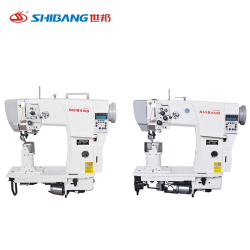
Sewing machines designed for industrial and heavy-duty applications require a blend of precision, durability, and automation to meet today’s demanding manufacturing standards. The Shibang-1791 and 1792D Automatic High Postbed Single and Double Needle Sewing Machines represent a remarkable step forward in this arena. These machines are engineered to optimize stitching quality, efficiency, and user convenience for manufacturers specializing in leather goods, footwear, upholstery, and other thick or complex materials.In this detailed product review, we’ll explore the features, technical specifications, benefits, and practical applications of these high-performance machines to help you understand why they’re an excellent investment for industrial sewing operations.
What Are the Shibang-1791 and 1792D Machines?
The Shibang-1891 is an automatic high postbed single needle sewing machine, while the 1792D is its double needle counterpart. Both machines utilize a high postbed design, allowing easier manipulation of bulky, three-dimensional materials with enhanced accessibility to hard-to-reach sewing areas.They are built with automation and durability in mind, featuring automatic thread trimming, programmable stitch lengths, and high-speed servo motors that contribute to productivity gains and consistent stitch quality.
Key Features and Functionalities
High Postbed Design for Superior Accessibility
One of the standout features of these models is their high postbed frame. This elevated structure provides ample workspace and easier handling of thick, bulky items such as shoes, leather bags, automotive upholstery, and industrial fabrics. The design allows operators to maneuver complex shapes without strain, reducing fatigue and improving precision.
Automatic Thread Trimming
Both the 1791 and 1792D come equipped with automatic thread cutting systems. This feature saves time by automatically trimming the thread at the end of each sewing cycle, eliminating manual trimming and reducing waste. The system also helps maintain a clean work environment.
Single and Double Needle Options
-
The 1791 model features a single needle, ideal for stitching detailed seams and precise finishes in leather goods or other thick materials.
-
The 1792D offers a double needle configuration, enabling simultaneous double stitching for stronger seams and professional finishes. This is particularly valuable for footwear manufacturing and heavy-duty fabric applications.
Servo Motor Control for Precision and Efficiency
Both machines use high-precision servo motors, which allow precise speed control, energy efficiency, and quiet operation. The servo motor system also enables smooth starts and stops, reducing fabric distortion and improving seam accuracy.
Adjustable Stitch Length and Speed
Operators can easily adjust stitch length and sewing speed according to material type and project requirements. This flexibility makes the machines versatile enough for various industrial applications, from delicate stitching to heavy-duty seaming.
Robust Build Quality and Durable Components
Constructed with premium-grade metals and components, these machines are designed to withstand the rigors of continuous industrial use. This robustness translates into lower maintenance costs and longer machine lifespans.
User-Friendly Interface and Controls
Both models feature intuitive control panels, enabling operators to set sewing parameters quickly. This helps reduce training time and improves overall workflow efficiency.
Who Benefits from These Machines?
Footwear Manufacturing
The high postbed and double needle configurations make these machines ideal for stitching shoe uppers, midsoles, and other footwear components that require strong, precise seams.
Leather Goods Production
Manufacturers of handbags, wallets, belts, and leather apparel benefit from the precision stitching and ease of handling thick leather pieces.
Upholstery and Automotive Interiors
The machines’ ability to sew through thick layers makes them well-suited for automotive seat covers, furniture upholstery, and other heavy textile applications.
Industrial Textiles
Products such as tents, heavy-duty bags, and protective gear require durable stitching that these machines provide.
Advantages of Choosing Shibang-1791 and 1792D Models
Increased Productivity
Thanks to automatic features like thread trimming and programmable stitch lengths, the machines significantly reduce manual intervention, speeding up production without sacrificing quality.
Enhanced Stitch Quality
Servo motor control ensures consistent tension and stitch placement, reducing defects and increasing product durability.
Operator Comfort and Safety
The ergonomic high postbed design improves accessibility and reduces operator fatigue during long shifts.
Versatility Across Materials
These machines handle a wide range of materials from soft fabrics to rigid leather, making them versatile for multiple product lines.
Lower Operating Costs
Energy-efficient servo motors reduce electricity consumption, and durable parts reduce maintenance frequency and cost.
Installation and Maintenance Tips
Installation
-
Ensure a stable, vibration-free surface to place the machine.
-
Connect to a compatible power source suitable for servo motors.
-
Allow enough workspace around the machine for operator movement and material handling.
Maintenance
-
Regularly clean lint and dust from the needle area and feed dog.
-
Lubricate moving parts as recommended in the user manual.
-
Periodically check needle condition and replace if bent or dull.
-
Inspect thread tension and adjust to maintain stitch consistency.
Customer Feedback and Industry Reception
Users across footwear and leather industries report improved sewing speed and stitch accuracy with these machines. Many highlight the ease of use brought by the automated thread trimming feature and the ergonomic design that allows handling complex shapes with less effort.
Are the Shibang-1791 & 1792D Worth the Investment?
For manufacturers dealing with heavy materials requiring precision and durability, the Shibang-1891 and 1792D Automatic High Postbed Single and Double Needle Sewing Machines offer an excellent blend of automation, robustness, and versatility. Their ergonomic design, automatic features, and consistent performance make them reliable workhorses that can enhance productivity and product quality.Investing in these machines can yield significant returns in efficiency and product consistency, making them a smart choice for footwear makers, leather goods producers, upholstery manufacturers, and others in the industrial sewing space.
To explore pricing, availability, or request a demo, visit the official Shibang supplier website:
What materials can the Shibang-1791 and 1792D machines sew?
Both machines are designed to handle a wide range of materials including leather, heavy fabrics, synthetic materials, and other thick or bulky textiles commonly used in footwear, upholstery, and industrial applications.
What is the difference between the Shibang-1791 and the 1792D models?
The Shibang-1891 features a single needle ideal for detailed, precise stitching, while the 1792D has a double needle setup that stitches two parallel seams simultaneously, providing stronger and faster stitching for heavy-duty projects.
Do these machines have automatic thread trimming?
Yes, both the 1891 and 1792D models come with an automatic thread trimming feature that cuts the thread at the end of each sewing cycle, improving efficiency and reducing manual labor.
How easy is it to adjust the stitch length and speed on these machines?
Both machines offer adjustable stitch length (0–6 mm) and variable sewing speeds via servo motor controls, allowing operators to customize settings based on material type and project needs.
What maintenance is required to keep the machines running smoothly?
Regular maintenance includes cleaning lint and debris, lubricating moving parts as recommended, checking and replacing needles as needed, and ensuring thread tension is properly adjusted to maintain stitch quality.