
Shibang-12 & 16 Strong Glue Machine: Powerful Adhesive Solutions for Industrial Bonding
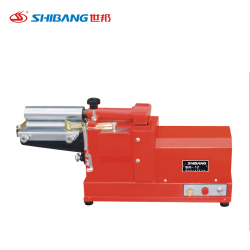
Adhesion plays a vital role in the integrity and durability of manufactured goods. In industries such as footwear production, automotive assembly, leather goods manufacturing, and composite fabrication, the adhesive bond must withstand stress, pressure, temperature shifts, and time. Whether binding sole to upper in a shoe, laminating rubber to fabric, or applying adhesives for durable packaging, the power and precision of glue application machinery are critical.That’s where Shibang-12 and Shibang-16 Strong Glue Machines come in. Built for industrial-strength adhesive application, these machines are designed for reliable performance, uniform coating, and high production volumes. Whether you're working with latex, PU, or solvent-based adhesives, the Shibang-12 and 16 models deliver clean, controlled application across a variety of surfaces and materials. In this article, we’ll take a deep dive into the technology, features, benefits, use cases, and integration of the Shibang-12 and Shibang-16 strong glue machines, helping manufacturers understand why these machines are among the top picks for serious adhesive operations.
Explore more industrial solutions at www.maxinarytech.com
What Are the Shibang-12 & Shibang-16 Strong Glue Machines
The Shibang-12 and Shibang-16 are industrial-grade glue machines designed for the high-intensity application of adhesives on materials such as leather, fabric, rubber, foam, and synthetics. These machines are well-known for:
-
Strong glue absorption and delivery
-
Even stable glue output
-
Durability for continuous operation
-
Wide application surfaces
The numbers 12 and 16 typically refer to roller widths (in inches), allowing customers to choose the machine based on material size and adhesive volume requirements.
Key Features
Powerful Glue Application System
Both machines feature precision-engineered rollers designed to absorb and transfer strong adhesives consistently and without interruption.
-
Uniform glue thickness
-
High-adhesion strength
-
Minimal dripping or residue buildup
Adjustable Glue Flow
Operators can adjust:
-
Glue volume per pass
-
Roller rotation speed
-
Roller gap distance (to control thickness)
Durable Roller Design
The rollers are made from chemical-resistant alloy and silicone-coated materials to prevent glue degradation, even under continuous use.
-
Easy to clean
-
Long lifespan
-
Handles solvent-based and water-based adhesives
Large Feeding Platform
The Shibang-16 offers a broader glue surface, ideal for larger components or batch jobs, while the Shibang-12 is a space-efficient solution for medium-sized applications.
Easy-to-Use Control Interface
Manual or semi-automatic controls allow simple adjustments during operation, including:
-
Temperature control for glue viscosity
-
Feed rate customization
-
Emergency stop and safety lock
Why Use Strong Glue Machines
In many production lines, adhesive strength is a non-negotiable factor for product longevity and safety. Weak or uneven glue application can lead to:
-
Component failure
-
Customer complaints
-
Rework and material waste
-
Poor product performance
By using Shibang-12 or Shibang-16, manufacturers benefit from:
-
Consistent bond strength
-
Improved production speed
-
Lower adhesive waste
-
Increased worker safety by reducing the manual handling of chemicals
Ideal Use Cases
These machines are used in a wide variety of industrial applications:
Footwear Manufacturing
-
Attaching soles to uppers
-
Bonding insole layers
-
Pre-gluing edge linings
Leather Goods
-
Laminating multiple leather layers
-
Glue pre-treatment for cutting and shaping
-
Bonding accessories such as buckles and straps
Upholstery and Furniture
-
Bonding foam to fabric
-
Pre-gluing wood trims
-
Assembling seat components
Packaging & Composite Materials
-
Binding layers of cardboard or corrugated board
-
Coating composite materials for later lamination
-
Preparing rubber or plastic inserts
Operating Workflow
Operating either model follows a similar structure:
Preparation
-
Load glue into the reservoir
-
Preheat if applicable (for solvent adhesives)
Material Setup
-
Position material on the input platform
-
Align edges using side guides
Glue Application
-
Start the roller
-
Pass material through for uniform glue coating
Output Inspection
-
Check the adhesive layer for uniformity
-
Ready for pressing, molding, or drying
Maintenance & Cleaning
To ensure long-term performance, regular maintenance is crucial:
-
Clean rollers daily to prevent glue buildup
-
Lubricate moving parts weekly
-
Inspect power cables and the motor every month
Cleaning Tip: Use mild solvents recommended for your adhesive type. Avoid scraping rollers with metal tools to prevent surface damage.
Safety & Environmental Compliance
-
Machines include emergency stop and overload protection
-
Enclosures protect from splash and accidental contact
-
Uses energy-efficient motors for lower operational costs
-
Supports low-VOC adhesives to reduce environmental impact
Integration into Your Production Line
Both machines can be used as:
-
Standalone glue stations
-
Integrated units with pressing or cutting machinery
-
Inline automation components via conveyor extensions
We also offer custom machine integration upon request — Contact Maxinary Tech to discuss your needs.
Why Choose Maxinary Tech
-
Authorized distributor of Shibang Machinery
-
Local and global support with warranty and parts
-
Expert training and installation
-
Custom build options available
-
Highly rated after-sales service
Browse more adhesive and manufacturing solutions at www.maxinarytech.com
Who Should Invest in Shibang-12 or Shibang-16?
- Small to Medium Manufacturers – Gain efficiency without major capital investment.
- Exporters & OEM Factories – Ensure bond quality for international clients.
- Custom Workshops – Benefit from adjustable, easy-to-control adhesive systems.
- Leather & Foam Product Makers – Achieve consistent performance with less waste.
In industries where adhesive performance is essential, the Shibang-12 and Shibang-16 Strong Glue Machines deliver industrial strength, consistency, and control. With their durable construction, precise rollers, and adaptability to various glue types and materials, these machines support improved workflow, reduced costs, and enhanced product reliability. Whether you're gluing leather, foam, rubber, or composites, trust Shibang’s proven technology available now at Maxinary Tech to elevate your adhesive application process.
5 FAQs for the Shibang-12 and Shibang-16 Strong Glue Machines:
What are the Shibang-12 and Shibang-16 Strong Glue Machines used for?
These machines are designed for applying strong adhesive glue efficiently in manufacturing processes, commonly used in footwear, leather goods, and packaging industries.
What are the main differences between the Shibang-12 and Shibang-16 models?
The key differences typically involve glue capacity, application speed, and adjustable settings, with the Shibang-16 offering higher throughput and more advanced control features compared to the Shibang-12.
What types of glue can these machines handle?
They are compatible with a variety of industrial adhesives, including contact cement, polyurethane glue, and other strong bonding agents suitable for leather, rubber, and synthetic materials.
How easy is it to operate the Shibang strong glue machines?
Both models feature user-friendly controls with adjustable glue flow rates and pressure settings, enabling operators to customize glue application according to specific production needs.
What maintenance is required for the Shibang-12 and Shibang-16 glue machines?
Regular maintenance includes cleaning glue nozzles, checking glue flow systems for blockages, inspecting pumps and hoses, and performing routine lubrication of moving parts to ensure consistent performance.