
Screw air compressor
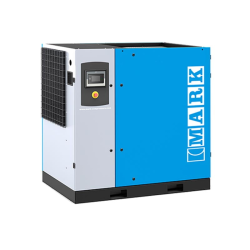
In modern industrial environments, efficiency, reliability, and performance are not optional—they’re expected. Among the critical tools driving these standards is the screw air compressor, a high-performance device designed to deliver a continuous supply of compressed air for various applications. Whether in manufacturing, construction, pharmaceuticals, or food processing, screw air compressors are the go-to solution for businesses that rely on consistent and high-volume air delivery.This comprehensive blog will guide you through the world of screw air compressors, covering their types, components, working principles, advantages, applications, and tips for selecting and maintaining the right model for your business.
What is a Screw Air Compressor?
A screw air compressor is a type of positive displacement compressor that uses two helical screws (rotors) to compress air. It delivers a steady and continuous flow of compressed air, making it ideal for industrial applications that require sustained pressure without fluctuations.
Unlike piston compressors that work in pulses, screw compressors are known for their smooth, quiet, and energy-efficient operation. They’re often used in high-demand environments where downtime or inefficiency can cost thousands in lost productivity.
The Core Components of a Screw Air Compressor
Understanding the anatomy of a screw air compressor helps in recognizing its advantages and operational needs.
Air-End (Rotors)
The heart of the screw compressor. Two meshing helical rotors trap and compress the air between them.
Motor
Typically an electric motor that powers the rotors. It’s designed for continuous operation with high efficiency.
Oil Separator
Removes oil from the compressed air, ensuring clean output and maintaining air purity.
Cooling System
Cools down the compressor components and air to prevent overheating and maintain consistent performance.
Control System
A programmable controller (PLC or microprocessor) monitors and adjusts system performance in real-time.
Inlet Valve
Regulates the amount of air entering the compression chamber based on demand.
Air Filter
Ensures that incoming air is free from contaminants that could damage the internal components.
How Does a Screw Air Compressor Work?
The operation of a screw compressor is simple yet highly efficient:
-
Air Intake: Atmospheric air enters through the air filter and passes into the compression chamber.
-
Compression: As the male and female rotors rotate, they trap air in the space between them. The volume between the rotors decreases, compressing the air.
-
Oil Injection (in lubricated types): Oil is injected to seal, cool, and lubricate the rotors. It also helps absorb the heat of compression.
-
Air-Oil Separation: The mixture exits the air-end and passes into the separator tank, where oil is removed from the compressed air.
-
Cooling & Delivery: The air is cooled before being sent into the distribution system, ready for use in machinery, tools, or industrial processes.
Types of Screw Air Compressors
There are primarily two categories:
Oil-Injected (Lubricated) Screw Compressors
-
Most common type.
-
Oil is injected into the compression chamber to seal and cool the rotors.
-
Ideal for general industrial applications.
Oil-Free Screw Compressors
-
Do not use oil inside the compression chamber.
-
Air remains 100% oil-free.
-
Common in industries like food & beverage, pharmaceuticals, and electronics where air purity is critical.
Key Advantages of Screw Air Compressors
Continuous Operation
Unlike piston compressors, screw compressors can run continuously, making them ideal for non-stop industrial environments.
Energy Efficiency
Fewer moving parts and precise control reduce energy wastage. Variable speed drives (VSD) further enhance energy savings.
Low Noise and Vibration
Their rotary design and internal balance reduce noise and mechanical vibration significantly.
Durability
With fewer wearing components, screw compressors are more durable and require less frequent maintenance.
Compact Footprint
Efficient design means high power in a smaller, space-saving form factor.
Common Applications of Screw Air Compressors
Screw air compressors are used in virtually every industry where compressed air is required:
Manufacturing
Powering pneumatic tools, painting systems, and material handling devices.
Automotive
Used in assembly lines, paint booths, and tire inflation stations.
Food and Beverage
Oil-free models are used for food processing, packaging, and bottling operations.
Pharmaceuticals
Provide clean, oil-free air for tablet manufacturing, coating, and packaging.
Textile Industry
Used in air-jet looms, spinning machines, and dyeing equipment.
Construction
Powering drills, jackhammers, and sandblasting tools on-site.
Electronics
Clean compressed air for delicate assembly operations and cooling systems.
How to Choose the Right Screw Air Compressor
When selecting a screw compressor for your facility, consider the following:
Air Flow Requirements (CFM or m³/min)
Choose a model that can meet the maximum air demand of your application.
Operating Pressure
Ensure the compressor matches your system’s required PSI or bar.
Duty Cycle
If your operation runs 24/7, select a compressor built for continuous duty.
Oil-Free vs. Oil-Lubricated
Choose based on industry and product sensitivity (e.g., food or electronics need oil-free air).
Efficiency Features
Look for features like variable speed drives (VSD), energy recovery systems, and smart control interfaces.
Noise Levels
Consider the working environment and whether a noise-reducing enclosure is necessary.
Maintenance Tips for Long-Term Performance
Proper maintenance ensures optimal performance and extends the life of your compressor:
Daily Checks:
-
Monitor pressure and temperature.
-
Check oil levels (for lubricated models).
-
Inspect for leaks or unusual noise.
Weekly Tasks:
-
Clean air filters.
-
Drain condensate traps.
-
Check belts and connections.
Monthly Maintenance:
-
Inspect and clean cooling systems.
-
Tighten bolts and electrical connections.
-
Examine oil separators and replace if necessary.
Annual Service:
-
Replace oil and air filters.
-
Perform full system diagnostics.
-
Consider professional servicing for recalibration and software updates.
Efficiency vs. Upfront Investment
Though screw compressors are more expensive upfront than piston models, their total cost of ownership is significantly lower due to:
-
Reduced downtime
-
Longer lifespan
-
Lower maintenance costs
-
Improved energy efficiency (which can make up 70%+ of the lifetime cost)
Investing in a screw air compressor is not just buying a machine — it's acquiring an efficient energy-saving system.
Smart & Sustainable Screw Compressors
With Industry 4.0 and increasing sustainability goals, screw air compressors are evolving:
Smart Control Systems:
-
Remote monitoring
-
Predictive maintenance alerts
-
Load-based adjustments to optimize energy use
Sustainable Design:
-
Energy recovery systems that reuse heat generated during compression
-
Reduced oil carryover
-
Noise and emission reduction systems
MaxinaryTech stays at the forefront by offering screw compressors integrated with modern technologies to meet the growing demands of automation and sustainability.
Why Choose MaxinaryTech Screw Compressors?
At MaxinaryTech, we understand that compressed air is more than just a utility — it's a backbone of your production system. That’s why we offer:
-
High-performance screw compressors for diverse industries.
-
Expert consulting to help you select the right model for your needs.
-
Custom installation & training for seamless integration into your workflow.
-
Ongoing support and maintenance plans to ensure uptime and reliability.
Our commitment to quality, efficiency, and customer satisfaction makes us a trusted partner in industrial air solutions.
A screw air compressor is a vital investment for any business that demands reliable, continuous, and energy-efficient compressed air. Whether you're running a small production facility or a large-scale manufacturing plant, choosing the right screw compressor can dramatically improve performance, reduce costs, and support sustainability.The Shibang line of screw air compressors available at MaxinaryTech combines durability, smart control, and industry-grade performance — ready to power your next phase of growth.Interested in upgrading your air system? Contact MaxinaryTech today for expert advice, free consultation, and the best selection of screw air compressors built for industrial excellence.