
Maximize Cutting Efficiency with the Hydraulic Clicking Swing Arm Cutting Press TW-922(1+1)
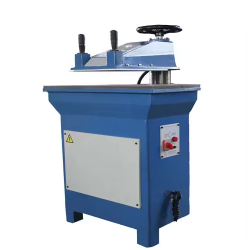
The Hydraulic Clicking Swing Arm Cutting Press TW‑922 (1+1) embodies the essential qualities manufacturers demand—exceptional cutting power, engineered precision, ergonomic design, and streamlined operation. Ideal for leather, textile, foam, rubber, gasket board, and packaging components, the TW‑922 (1+1) is a versatile solution for mid– to high–volume production environments.Designed as an upgrade to previous 912 and ‘920’ models, the1+1 variant introduces enhanced hydraulic control, upgraded electrical components, and a user–friendly interface, making it a true workhorse in today’s competitive landscape.
Understanding the Hydraulic Clicking Swing Arm Cutting Press
At its core, the TW‑922 (1+1) is engineered to automate and perfect die–cutting of soft to semi–rigid materials. Its design combines hydraulic force with a swing–arm cutting motion, offering consistent result quality, repeatable performance, and simplified operation. Hydraulic rather than pneumatic or mechanical ensures smooth engagement and full control from start to finish, reducing maintenance demands and enhancing product consistency.
Core Specifications & Performance Profile
Here’s why the TW‑922 (1+1) stands out in its class:
-
Cutting Force: 25 tonnes (approximately 245 kN), ideal for heavy materials
-
Table Size: 920 × 420 mm — large enough for sizable dies
-
Swing Arm Reach: Approximately 370 mm — enabling easy loading/unloading
-
Stroke/Travel: 90 mm / 125 mm — sufficient range for thickness adjustment
-
Motor Rating: 0.75 kW hydraulic motor — efficient yet powerful
-
Height: 1650 mm — manageable integration into floor layouts
-
Net Weight: ~910 kg; Gross Weight: ~1,030 kg
-
Controls: Auto stroke-end, potentiometers for pressure & time
-
Safety: Dual-hand operation, emergency stop, and safety decals
These specs offer an excellent mix of power, size, and efficiency—perfect for shops looking for mid-level throughput without footprint overreach.
Key Features & Unique Upgrades
Auto Stroke-End Sensing
Integrated sensors automatically determine die height and halt the ram, reducing operator guesswork, die damage, and material waste. It also accelerates setup time.
Pressure & Time Control via Potentiometer
Operators can dial in precise pressure and dwell time for production consistency—no more guesswork, just repeatable cycles, ideal for batch production.
Hydraulic Swing Arm Mechanism
The 370 mm arm reach allows loading and unloading materials without bending or contorting, improving operator comfort and safety. The swing arm locks securely into position during cutting for operator protection.
360° Ergonomic Accessibility
The press footplate does not rotate—but the arm itself provides ample path flexibility. Toggle between materials with ease, reducing fatigue during extended shifts.
Dual-Handed Actuation & Emergency Stop
Dual-hand activation ensures operator hands are always clear of the die area. The emergency stop is placed within easy reach for instant shutdown.
Quality Electrical & Hydraulics Package
The "1+1" upgrade brings a stainless steel control panel, thicker hydraulic lines, hardened pump seals, and top-tier breakers—designed for shop floor reliability.
CE & ISO Compliance
TW‑922 presses align with international standards for health and safety, including CE certification for exports and local market installation.
Materials & Industries: Broad Cutting Capability
The TW‑922 (1+1) suits many product categories thanks to its combination of power, stroke length, and table area. Typical materials include:
-
Leather Goods: Knife-outs for soles, insoles, belts, patches
-
Textiles & Apparel: Patterns for garments, bags, shoe uppers
-
Gasket & Industrial Components: Die-cut seals, insulation parts
-
Foam Packaging & Crafts: Inserts, craft shapes, multi-layer die blocks
-
Automotive & Soft Plastic: Small gaskets, panel trims, cushioning pads
Its versatility makes it a staple in production lines serving multiple departments or products.
Operational Guide: A Simple, Efficient Workflow
-
Preparation: Place cutting die and material on the worktable
-
Adjustment: Set hydraulic pressure and stroke time with potentiometers
-
Activation: Press both hand buttons to fire the stroke—ram drops smoothly
-
Stroke-End Lock: Sensor cuts power once optimal depth is reached
-
Swing & Clear: Release the cut part—rotate arm to load new material
-
Repeat: With a combined cycle time under 10 seconds, throughput scales fast
Quick die changes, repeatable setup, expedited cycles—this workflow elevates productivity across batches and run sizes.
Shop Advantages: Why Manufacturers Choose the TW‑922
Rapid Return on Investment (ROI)
With cycle times reduced by up to 40% from manual methods, ROI often arrives in 6–9 months—especially in small-batch or customized goods production.
Waste Precision = Cost Savings
Stroke-end control minimizes overcut, preserving material, reducing scrap, and improving margins.
Less Operator Fatigue, More Safety
Lower physical demand, dual‑hand activation, and ergonomic height reduce strain, errors, and risks.
Cleaner Production
The hydraulic press emits no dust, no heat, and no pneumatic droplets—ideal for clean environments.
Energy & Footprint Efficiency
At 0.75 kW, the motor matches smaller machines but delivers full hydraulic force. It fits easily into 10–15 m² shops without requiring reinforcements.
Maintenance & Best Practices
Routine care ensures efficiency and longevity of your investment:
-
Daily: Wipe tabletop; clear die filings and materials
-
Weekly: Check hydraulic fluid levels; test emergency functions
-
Monthly: Inspect hoses, sensors, potentiometers, and electrical integrity
-
Annually: Drain & renew hydraulic oil; recalibrate sensors
-
Every 5,000 hours: Replace hoses, seals, and pressure gaskets; re‑test system pressure
Following this schedule ensures reliable performance and eliminates random downtime.
Safety & Compliance
-
Dual-Handed Operation aligns with ISO 13849
-
Emergency Stop within easy reach shuts off hydraulic flow
-
Stroke Sensing prevents over-travel, die breakage, or mat damage
-
Clear Zones, Safety Labels, and Barriers comply with OSHA & CE
Proper training—including lockout/tagout, PPE, and supervised use—is essential for compliance and accident prevention.
Return on Investment Breakdown
-
Cost: Base machine range around US$3,300–3,800 FOB
-
Throughput Efficiency: Cycle time reduced 30–50% yields high volume
-
Material Economy: Stroke accuracy slashes scrap and preserves dies
-
Labor Savings: Fewer retries, faster operator onsite training
-
Energy Benefits: Compact 0.75 kW motor reduces utility costs
-
Resale Value: Well‑maintained presses often resell at 40–60% after 5 years
Payback generally occurs within 1 calendar year, depending on output volume.
Installation & Training
Site Requirements
Stable concrete floor (minimum 150 mm thick). Explain to operators in advanced or production documentation.
Power Supply
Available in 220 V or 380 V, 50 Hz, three-phase. Verify wiring meets grounding, current, and breaker specifications.
Commissioning
Install hydraulic oil, confirm sensor operation, adjust pressure and time presets aesthetically.
Training
Half-day session covering controls, changeover, cleaning, safety checks, and emergency response.
Troubleshooting Checklist
-
Erratic stroke stop: Lubricate and clean sensors
-
Hydraulic noise — whining: Filter or pump cavitation
-
Motor fails to start: Check voltage, starter, or hydraulic lock
-
Arm drift or misalignment: Re-tension bearings, align pivot
-
Cut inconsistency: Recalibrate pressure, replace worn die
Quick identification and response minimize delays and keep your press production-ready.
Sustainability & Workplace Improvement
-
Reduced Energy Consumption: 0.75 kW motor vs. larger brushless or pneumatic drives
-
Lower Scrap Footprint: Precise cutting decreases offcuts
-
Endurance & Longevity: A solid cast steel frame lasts decades with good upkeep
-
Operator Comfort: Swing-arm limb ergonomics reduce fatigue injury risk
Use Case: Boutique Bag Manufacturer
Objective: Standardize leather panel cutting, reduce manual error Solution: TW‑922 (1+1) installed in production line Outcome:
-
Cutting time per die reduced by 45>#/p###
-
Scrap leather reduced by 35>#/p###
-
Single operator trained in less than 2 hours
-
ROI achieved within 8–10 months
They report consistent panel quality and increased output capacity.
The TW‑922 (1+1) in Your Future Manufacturing Floor
-
Expandable Markets: Perfect for premium leather, luxury packaging, automotive upholstery
-
Upgradable Package: Spares like solenoid valves, better sensors, PLC interfaces
-
Tech Integration Ready: Sensors signaling to SCADA systems for operational insights
The Hydraulic Clicking Swing Arm Cutting Press TW-922 (1+1) is a robust, versatile, and efficient machine designed to meet the demanding needs of modern manufacturing. Its powerful hydraulic system, ergonomic design, and dual station setup combine to deliver exceptional cutting precision and productivity.Whether in footwear, leather goods, textiles, packaging, or automotive industries, the TW-922 (1+1) offers reliable performance and excellent return on investment.
For more information or to request a quote, please visit
http://maxinarytech.com/hydrau...
Here are 5 FAQs for the Hydraulic Clicking Swing Arm Cutting Press TW-922 (1+1):
What does the 1+1mean in the TW-922 model?
Answer: The 1+1 indicates that the machine has one main cutting station plus one additional station for auxiliary operations, allowing more flexibility and improved workflow.
What materials can the TW-922 effectively cut?
Answer: The TW-922 is suitable for cutting leather, fabric, rubber, foam, plastics, and other soft to medium-density materials commonly used in footwear, upholstery, and garment industries.
What is the maximum cutting force of the TW-922 Hydraulic Clicking Swing Arm Press?
Answer: The machine provides a hydraulic cutting force of around 20 tons, enabling it to handle thick and tough materials with precision.
How does the swing arm design enhance cutting performance?
Answer: The swing arm design offers smooth and controlled cutting motions, making die placement easier and reducing operator fatigue for higher productivity and accuracy.
What kind of maintenance is required for the TW-922?
Answer: Maintenance involves regular hydraulic oil checks and refills, lubrication of moving parts, inspection of the swing arm mechanism, and keeping the cutting surface clean to ensure long-term, reliable operation.