
DS-200 Toe Pounding Machine – Precision Engineering for Perfect Shoe Shaping
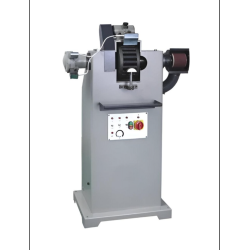
In the competitive realm of shoe and leather goods manufacturing, efficiency and precision are essential. The DS‑200 Toe Pounding Machine claims to deliver both, enhancing toe shaping, leveling, and finishing in shoe uppers. In this extensive review, we’ll examine its design, features, performance, real‐world applications, pros and cons, and whether it fits into your production line.
What is the DS‑200 Toe Pounding Machine
The DS‑200 is a specialized industrial machine designed for the pounding and leveling of toe areas on shoe uppers (the part over the front of the foot). Its hydraulic or pneumatic pounding mechanism compresses and molds toe puffs and cloth into precise shapes—smoothing edges, removing wrinkles, and preparing uppers for lasting and finishing steps.
Its key advantages include:
-
Ensures consistent toe quality across large batches
-
Reduces manual labor in post‐lasting cleanup
-
Integrates heating, vibration, and pressing into one process
Build and Design
Structural Highlights
-
Heavy‑duty frame: Robust steel/aluminum housing resisting deformation through repeated pounding. Often weighs ~200–300 kg.
-
Pneumatic/Hydraulic system: Dual cylinders control pressing; speed and force adjustable, suitable for diverse materials (leather, synthetics, rubber).
-
Adjustable pounding head: Accommodates various shoe last profiles.
-
Heating element: Embedded heating plate warms the toe area to aid conforming, often with up to 200 °C control.
-
Control panel: Intuitive interface to set pressing cycles, pressure, dwell time, and heating up.
User‑focused Design
-
Emergency stop button and sensors ensure safe operation.
-
Foot pedal or button controls for ergonomics.
-
Open access reduces downtime for cleaning or maintenance.
Prepping the Shoe
After lasting, the upper sits on a shoe last. The DS‑200 aligns the toe using guides or lamps.
The Pounding Cycle
Operator loads the shoe; machine lowers the pounding head. A cycle involves pre‑pressure leveling, heated upper alignment, and vibration assisted pounding.
Finishing
Post-pounding, the machine lifts. The toe area is smooth, with neat edges. Operator unloads and adds uppers to drying racks.
Workflow Integration
Placed just after lasting and before hot molding, DS‑200 fits seamlessly. Teams should allocate material feeding and drying stations nearby.
Performance in Real‑World Production
Efficiency Gains
By replacing manual toe massaging (typically 15–30 sec), cycle times drop to under 10 sec. For a 500‑pair/day line, this translates to several labor hours saved daily.
Quality & Consistency
Machine‑controlled pounding ensures uniform pressure and shape—reducing rippling, wrinkles, or uneven shaping.
Versatility
Handles dress shoes, sneakers, portfolio footwear, and certain boots. Adjustable settings allow fine‑tuning based on toe puff rigidity and material.
Strengths & Trade‑offs
Pros
-
Consistency – Unvarying pressure and heat ensure reproducibility.
-
Speed – Fast cycle boosts output dramatically.
-
Labor-saving – Frees operators from repetitive polishing tasks.
-
Adjustable – Suits various materials and shoe types.
-
Cleaner production – Reduces finishing rework.
Cons
-
Investment – High upfront cost; may not suit micro‑operations.
-
Footprint – Requires ~2 m² floor space.
-
Setup complexity – Depends on experienced staff to optimize setups.
-
Maintenance – Pneumatic/hydraulic units and heaters require upkeep.
-
Training – Operators need training to select correct settings.
Comparing DS‑200 to Other Methods
Manual Toe Hammering
Manual methods vary drastically in pressure and outcomes, are labor‑intensive, and slow. DS‑200 delivers repeatable, fast results.
Simple Hydraulic Press
Basic presses lack vibration and heating—resulting in weaker conformity. Vibrating, heated pounding yields sharper edges and fewer defects.
Fully Automated Lines
High-end automated lines (DS‑806 etc.) handle multiple operations but exceed small factory budgets. DS‑200 is a middle ground—semi‑automated and cost‑effective.
Case Studies
Mid‑size Footwear Manufacturer
Firm producing 2000 pairs/day integrated DS‑200 mid‑2024. Previously used manual hammers with variable results. After installation:
-
Cycle time dropped from 25 sec to 8 sec.
-
Reject rate halved.
-
Staff reallocated to more complex tasks.
-
ROI projected in 14 months.
Boutique Artisan Producer
Small-scale luxury brand adopted DS‑200 late 2023. Despite small output, struggled with manual toe finishing quality. Benefits observed:
-
Even premium uppers with delicate materials.
-
Enhanced consistency in hand‑crafted lines.
-
Workers reported less physical strain.
Maintenance & Upkeep
Key tasks:
-
Daily: Clean pounding area; lubricate moving parts; check bolts.
-
Weekly: Inspect heating element, check hoses and seals; monitor pressure gauges.
-
Monthly: Replace filters, test pressure accuracy, calibrate vibration unit.
-
Annually: Service motor, replace hydraulic fluid if used.
Keep an operation log to track maintenance, anticipate part wear, and avoid surprises.
Should You Buy It
The DS‑200 is ideal for:
-
Medium to large shoe plants with 500+ pairs/day
-
Brands seeking consistent toe finishing
-
Manufacturers aiming to reduce manual processes
-
Growing operations destined for full automation
If your output is very low, budget is limited, or you favor fully manual artisanal processes, the investment may outweigh the gains. Yet for any facility seeking quality and efficiency, DS‑200 delivers a strong ROI and excellence upgrade.
The DS‑200 Toe Pounding Machine is a compelling tool for footwear manufacturers seeking higher throughput, reduced manual labor, and improved product consistency. It blends efficient engineering, thoughtful design, and adaptability. While initial investment and maintenance are considerations, the time and cost savings make it a smart addition to many mid‑to‑large scale production environments.If your operation produces upwards of 500–1000 shoes daily and you're focused on quality and efficiency—DS‑200 is well worth the investment. For smaller, artisanal shops, there may be simpler or lower volume alternatives.
For more information and to order your DS-200 Toe Pounding Machine visit:
https://maxinarytech.com/produ...
FAQ
What shoe types work with DS‑200
It accommodates most men’s, women’s, and children’s shoe uppers—leather, synthetic, rubber–substrates. Just adjust pressure, vibration, and heat settings accordingly.
How hard is the operator training
Basic operation can be mastered in a couple of hours. Fine-tuning for differing lasts and materials takes a few weeks’ experience. Manufacturers often include training support.
Is a compressor needed
Yes, models using pneumatic or pneumatic‑hydraulic systems require an external compressor (0.5–0.6 MPa) with sufficient airflow (20–30 L/min). Hydraulic-only systems use built-in pumps and don’t need a compressor.
Can it handle unusual shapes
Yes—vibration heads and pressing plates are adaptable. For complex last geometries, slight heat increase or reduced pressure settings help. Custom attachments are sometimes available.
What’s the typical return on investment
ROI is typically reached within 12–18 months, based on labor hours saved and reduced rejects. Formal ballpark: savings of $20–30 per hour in operator costs.